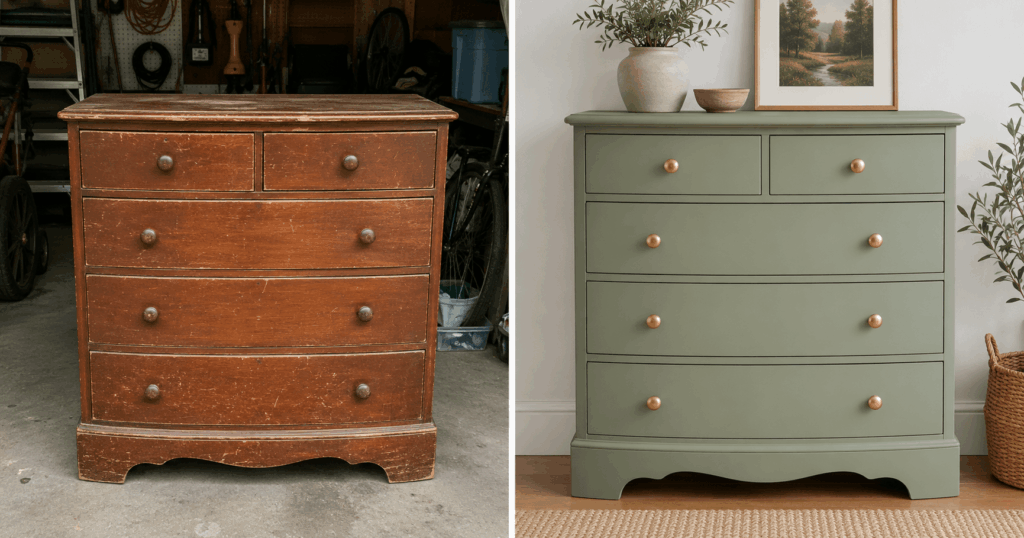
What Flipping Actually Is
Flipping means acquiring an item at a total cost below the amount you can reasonably keep after resale costs. The gap exists because markets are fragmented: a seller may value speed and removal, while another buyer values the item, the repair, the presentation, or access through a better sales channel.
Some resellers add value through cleaning, testing, repair, refinishing, bundling, identification, better photographs, nationwide shipping, or simply dependable pickup. Others resell an item as-is after buying it from someone whose priority was convenience. If you are starting from the beginning, read our step-by-step guide to how to become a reseller.
The model is not guaranteed. Demand changes, condition surprises happen, platforms change fees and rules, buyers return items, and inventory can sit. Profit comes from purchasing discipline and execution—not from the sale price alone.
Flippers are paid for knowledge, risk, cash, logistics, presentation, and patience. If an item does not leave room for those costs, it is not a business opportunity.
The Real Profit Formula
Gross spread is the selling price minus the purchase price. Net profit is what remains after every other expense. Only the second number tells you whether the flip worked.
Count the purchase price, sourcing or referral fee, sales tax, travel, labor, vehicle or trailer, cleaning, parts, repairs, platform and payment fees, packing materials, shipping, insurance, returns, storage, disposal, and the value of your time.
For example, an item purchased for $45 and sold for $140 does not automatically create $95 in profit. If shipping, selling fees, supplies, travel, and a return allowance total $38, the net before valuing your labor is $57. That may be worthwhile—or not—depending on the time, risk, and cash tied up.
Estimate these costs before purchasing. Check the current fees and rules on the exact platform you intend to use rather than relying on an old percentage or someone else’s example.
Choose a Category That Fits Your Advantages
Furniture
Visible condition and local demand, with significant transport, lifting, odor, storage, and slow-moving-size risk.
Local sales · Heavy logisticsTools and electronics
Recognizable models and researchable prices, along with testing, battery, accessory, repair, return, and counterfeit risks.
Researchable · Function mattersClothing and accessories
Easy storage and shipping, but authentication, condition grading, measurements, photographs, trends, and high listing volume matter.
Small footprint · Listing heavyVintage and collectibles
Strong upside when you possess specialized knowledge. Misidentification, reproductions, and narrow buyer pools increase the risk.
Knowledge edge · Variable demandBegin with one category and one or two sales outlets. Learn what sells, what sits, what buyers ask, what defects matter, and how long cash remains tied up before expanding.
Source Inventory Without Buying Everything
Sourcing is not the same as shopping. The goal is to find items that pass your criteria—not to return with a full vehicle every time.

Carry a clear maximum price, inspect condition, and be willing to leave empty-handed.
Public marketplaces, garage sales, estate sales, thrift stores, auctions, liquidations, past sellers, local professional relationships, and seller-referral networks can all be part of the mix. Each channel has different competition, fees, inspection access, travel requirements, and risk.
WBT matches submitted seller opportunities with buyer categories and service areas. An alert can show item details, photos, location, pickup preferences, and the exact referral fee. Buyers decide which referrals to claim; the referral is an introduction, not a guaranteed purchase or profit. The buyer FAQ explains alerts, claims, fees, and buyer-seller contact in detail.
Add local seller opportunities to your sourcing stack.
Joining is free. Review matching alerts and claim only the referrals you want to pursue.
Join the buyer network →Set the Maximum Price Before You Buy
Identify the item precisely when possible. Search recent sold results, not only active asking prices. Compare the same model, size, material, age, configuration, condition, completeness, shipping terms, and geographic market.
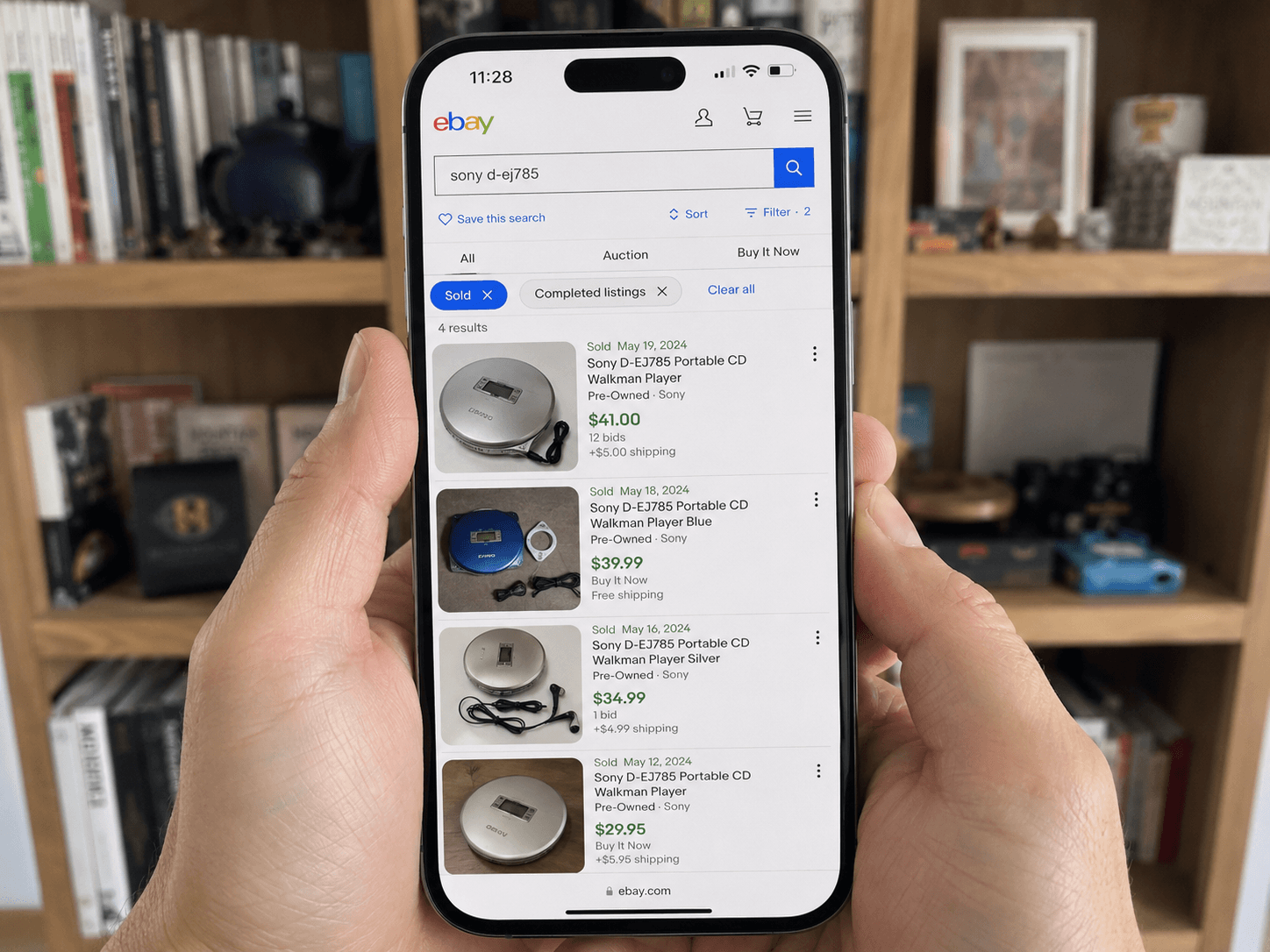
Sold results are evidence, not a promise. Condition, timing, geography, fees, and your own execution still change the outcome.
Start with conservative expected proceeds. Subtract all expected costs, a return or mistake allowance, and the profit required for the work and risk. The amount left is your maximum all-in acquisition cost.
Never let a big original retail price, one unusually high sale, or a seller’s story override the current market. If the numbers do not work, walking away protects the cash and space for another opportunity.
Match the Item to the Right Outlet
Bulky furniture and equipment usually favor local pickup. Niche collectibles and model-specific parts may need a national audience. Clothing fits platforms built around discovery, measurements, and shipping. Auctions can expose specialized assets but add commissions, timing, and uncertainty.
Choose the outlet before buying so you know its current fees, shipping expectations, prohibited items, return policies, payout timing, and buyer standards. Cross-listing can improve exposure, but only if you can remove sold inventory quickly and keep descriptions and condition consistent.
A clear listing should identify the item, show useful photographs, disclose flaws, state dimensions or specifications, explain what is included, and set accurate delivery or pickup expectations.
Profit Also Depends on Time
Two items can produce the same dollar profit and have very different business value. An item that sells in three days returns cash and space faster than one that sells in six months.
Track days held, inquiries, price reductions, returns, time spent, and storage footprint alongside net profit. Calculate results by category and sourcing channel. That record will reveal where your buying intuition is accurate and where attractive-looking inventory quietly consumes the business.
Set aging rules before storage fills: review the price, improve the listing, change outlets, bundle, wholesale, donate, or dispose. Refusing to recognize a poor buy does not recover the purchase price.
Mistakes That Erase the Margin
- Researching after the purchase.Hope is not a comparable sale. Set the value range and maximum cost first.
- Counting gross spread as profit.Fees, shipping, labor, travel, repairs, returns, storage, and disposal all belong in the result.
- Underestimating condition.Test what you can, photograph flaws, and assume unseen problems need a risk allowance.
- Buying outside your knowledge.A large apparent discount is dangerous when you cannot verify identity, authenticity, completeness, or demand.
- Ignoring sell-through and space.Inventory that does not move blocks cash and prevents stronger purchases.
- Keeping no records.Without per-item numbers, a large sale price can hide a weak or negative result.
Common Questions
How much money do I need to start flipping?−
There is no standard amount. Start with money you can afford to have tied up or lose without affecting normal expenses, and choose inventory whose complete costs fit within that limit.
What is the easiest item to flip?+
The easiest item is one you understand, can inspect, can transport and store, and can sell through an outlet you already know. No category is automatically profitable or beginner-proof.
How do I calculate flipping profit?+
Subtract the purchase price and every sourcing, transport, repair, selling, shipping, storage, return, disposal, and labor cost from the actual sale proceeds.
Can flipping provide side income?+
It can, but results vary widely and income is not guaranteed. Treat it as a business experiment: limit risk, track every item, and expand only after actual results support the additional commitment.
Do I need licenses or tax registrations?+
Requirements vary by location, frequency, products, and business structure. Keep records and check current local, state, federal, and marketplace obligations or consult a qualified professional.
The profit is decided before the purchase.
Know the market, count the costs, set the maximum price, and walk away when the item does not earn its space in your business.
Find local seller opportunities →