
What Is an Estate Buyout?
An estate buyout is a direct sale of a group of household contents—sometimes a room, sometimes most of a home—to one buyer or buying company. The buyer evaluates the inventory, makes an offer for the agreed group, pays the seller or estate representative, and removes the purchased items on an agreed schedule.
It is different from an estate sale. A sale company prices items individually, advertises a public event, sells what shoppers choose, and usually keeps a commission. A buyout is one negotiated transaction. It can happen faster and avoids hosting a public sale, but the offer reflects the buyer’s labor, transport, risk, unsold inventory, and need for resale margin.
An estate buyout is not a promise to clear every object in the home. The purchase includes only what the buyer and seller clearly agree is included.
When a Buyout Fits—and When It May Not
A buyout often fits when a home has multiple saleable categories, the family values a defined timeline, relatives live far away, the property needs to be listed or closed, or one coordinated pickup is more useful than the highest possible price on each object.
It may not be the strongest choice when the home contains only a few high-value specialist pieces, the family has plenty of time and energy for individual sales, legal authority is unresolved, heirs disagree about the contents, or the property needs a full cleanout rather than a purchase of resale inventory.
Good buyout fit
Furniture, tools, appliances, collectibles, décor, and household goods with enough combined resale value to justify evaluation and pickup.
Multiple categories · Clear timelineSpecialist sale may fit
Fine art, jewelry, rare coins, firearms, vehicles, or collections that may require appraisal, authentication, licensing, or a specialized market.
Expert knowledge · Narrow marketEstate sale may fit
A house full of desirable merchandise, enough preparation time, comfort with public access, and willingness to handle items that remain.
Public event · CommissionCleanout may fit
Mostly low-value, damaged, unsanitary, hazardous, or disposal-heavy contents where removal—not resale—is the primary service.
Removal service · Seller paysProtect These Things Before Calling Buyers
Confirm who has authority to sell the property. When an estate, will, trust, probate matter, divorce, guardianship, lien, or disagreement is involved, do not sell until the authorized representative and any required process are clear. Ask an attorney or appropriate professional when authority is uncertain.
Then remove estate documents, photographs, letters, titles, financial records, checkbooks, keys, digital devices, medications, jewelry, firearms, personal data, and items promised to family. Keep a simple record of important items distributed to heirs when the estate requires it.
Do not ask a general household buyer to identify every potentially valuable object. If you suspect fine art, rare collectibles, precious metals, significant jewelry, or other specialized property, separate it for qualified evaluation before negotiating the household bulk.
How the Buyout Process Usually Works
- Describe the situation.Provide the city or ZIP code, deadline, property access, major categories, approximate quantity, and whether family selections are complete.
- Share useful photographs.Take wide images of each room and category, then close-ups of significant items, labels, condition, and damage.
- Answer follow-up questions.Buyers may need dimensions, brands, model numbers, stair or elevator details, and clarity about what must remain.
- Arrange an evaluation.Depending on the lot, a buyer may estimate from photographs or request an in-person walkthrough before making a firm offer.
- Compare complete proposals.Look at the price, exactly what is included, payment timing, pickup date, labor, disposal expectations, and what will be left behind.
- Document the agreement.Confirm the inventory or areas purchased, exclusions, price, payment, pickup window, property access, and cleanup expectations.
What Estate Buyers Evaluate
A buyer is not adding up optimistic retail prices for every object. The offer is based on what the buyer believes can be resold, how long it may take, what work is required, and what portion of the lot may never sell.
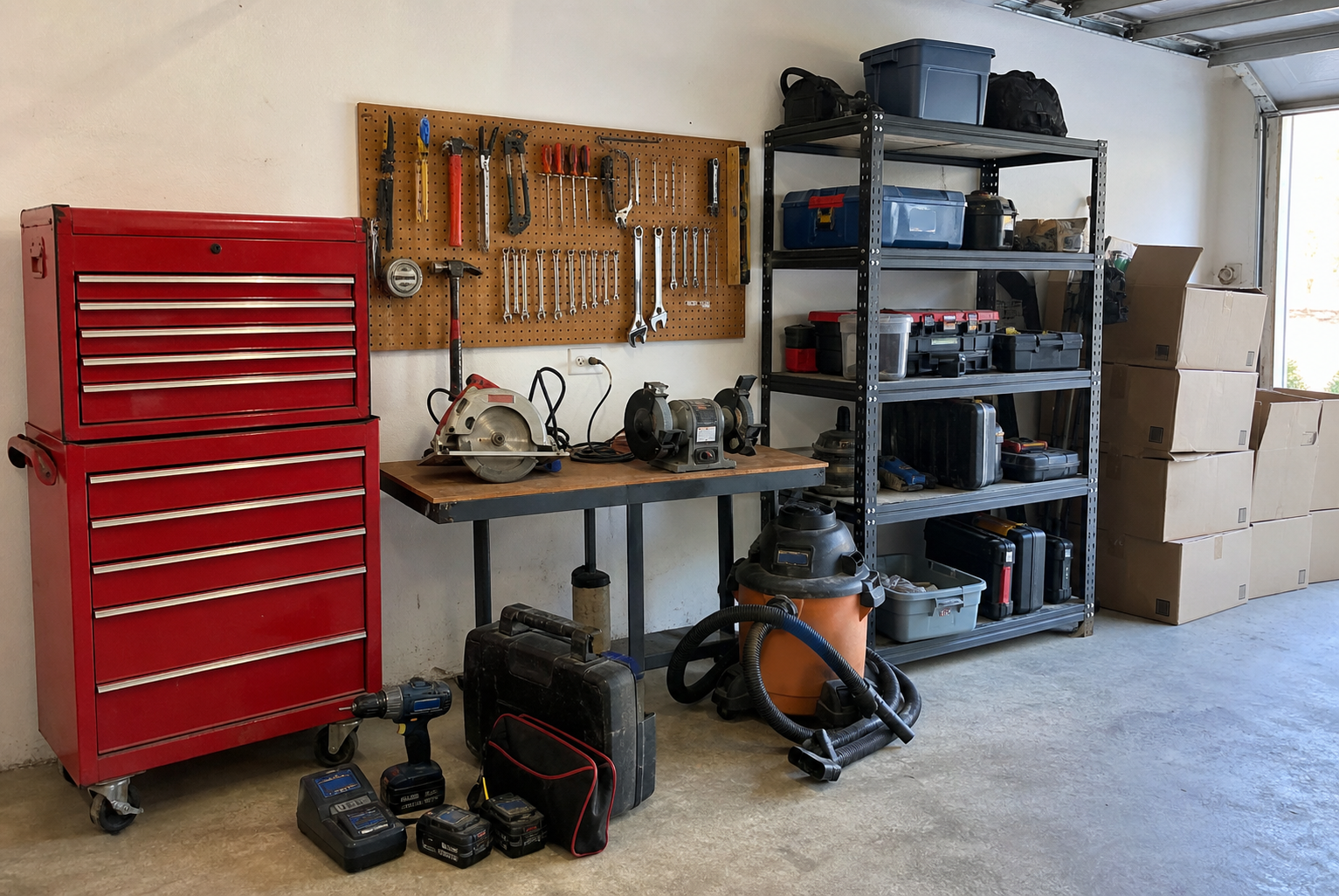
Useful photographs help a buyer see categories, quantity, condition, access, and the work required to move the lot.
Important factors include category demand, brand or maker, construction, age, condition, completeness, odor or environmental exposure, seasonality, local versus online resale options, vehicle and crew needs, stairs and distance, sorting time, storage footprint, selling fees, returns, and disposal exposure.
Volume can help when compatible items create an efficient pickup. Volume can also hurt when most of the lot is low demand or expensive to remove. A clear description lets the buyer price the actual opportunity rather than protect against unknowns.
Why the Offer Is Below Individual Retail Value
Retail value assumes the right buyer, strong presentation, enough time, and the work of selling items individually. A buyout transfers much of that work and risk to the buyer in one transaction.
The buyer must fund the purchase, load and transport the items, clean and test them, research unknown pieces, photograph and list inventory, answer customers, pay sales and platform costs, store everything, handle returns, reduce slow prices, and dispose of what never sells.
The family receives a different kind of value: one negotiation, a scheduled removal, fewer strangers, less handling, less time managing listings, and a more certain end date. Whether that trade is worthwhile depends on the estate’s priorities.
Show the household to relevant local buyers.
Add the main categories, honest descriptions, several wide photographs, and the pickup timeline. WBT connects interested buyers directly with the seller.
Start your free submission →Put the Purchase and Pickup in Writing
Even a simple agreement should identify the buyer and seller, the property, the purchase price, payment method, pickup dates, and what is included and excluded. Photographs, room lists, tags, or an attached inventory can prevent disagreements.
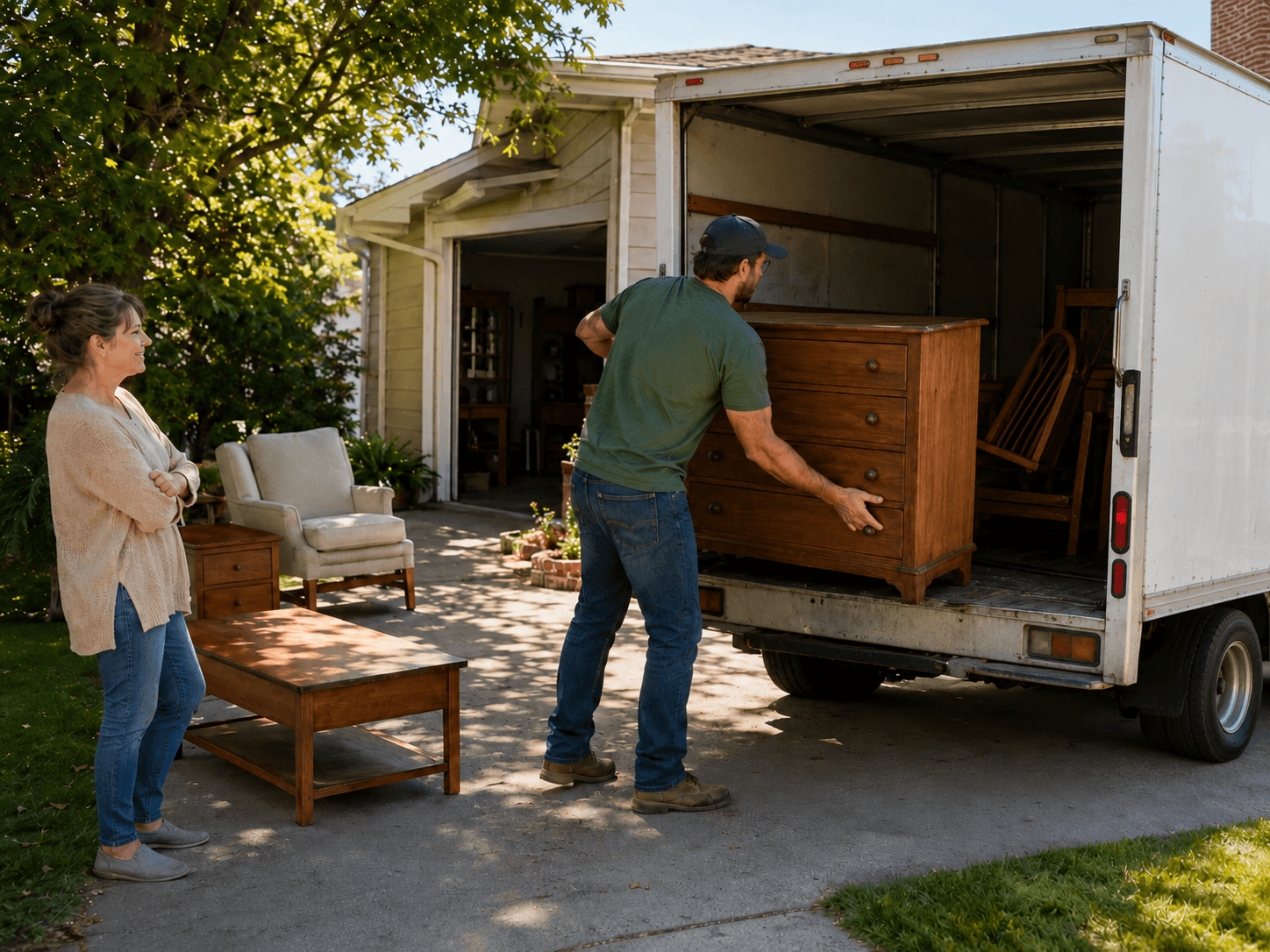
Confirm vehicle, crew, access, loading responsibility, and the condition in which purchased areas should be left.
Clarify whether the buyer is purchasing only named items, everything in selected rooms, or everything except marked exclusions. State whether boxes must be emptied, whether shelving stays, who handles disassembly, whether walls or floors need protection, and what happens if the buyer cannot remove everything on time.
Verify payment before releasing property. Protect private areas and documents, have the authorized representative or another adult present, and do not allow unagreed removal from the home.
Compare the Entire Outcome
Do not compare only headline prices. An individual-sale plan may generate more gross proceeds and require weeks of work, storage, messages, appointments, and leftovers. An estate sale may move volume but include setup time, commission, public access, and unsold inventory. A cleanout may finish quickly but cost the estate money.
For each option, write down expected net proceeds, preparation time, calendar time, work required from the family, commissions and fees, pickup or removal, unsold-item plan, and the certainty of meeting the property deadline. The best option is the one that fits the estate’s complete needs—not simply the highest number before costs.
Common Questions
Does an estate buyout include everything in the house?−
Only if the agreement says so. Many buyouts cover selected categories, rooms, or the saleable contents while excluding personal papers, hazardous materials, trash, food, medications, or other items the buyer does not accept.
How long does an estate buyout take?+
The timeline varies with the size, available information, need for a walkthrough, buyer capacity, access, and deadline. A clear submission and flexible viewing or pickup options can reduce delays, but no specific timing is guaranteed.
Should valuable items be removed first?+
Remove keepsakes, documents, personal data, valuables promised to heirs, and items needing specialist evaluation. Tell the buyer when a separately evaluated valuable item is intentionally included.
Do estate buyers pay retail prices?+
No. The offer must leave room for the buyer’s labor, transport, storage, costs, risk, unsold inventory, and resale margin. The estate receives speed and coordinated removal in exchange.
How do I compare two buyout offers?+
Compare price, exactly what each buyer takes, payment timing, pickup deadline, labor and equipment, cleanup expectations, disposal exposure, and confidence that the buyer can complete the agreement.
Does WBT perform the buyout?+
No. WBT introduces sellers to relevant local buyers. The seller and buyer communicate, negotiate, arrange payment, document the agreement, and coordinate pickup directly.
One household. One clear starting point.
Tell WBT what is available and when it needs to move. Relevant local estate buyers and resellers can contact you directly to discuss the opportunity.
Submit the estate items free →