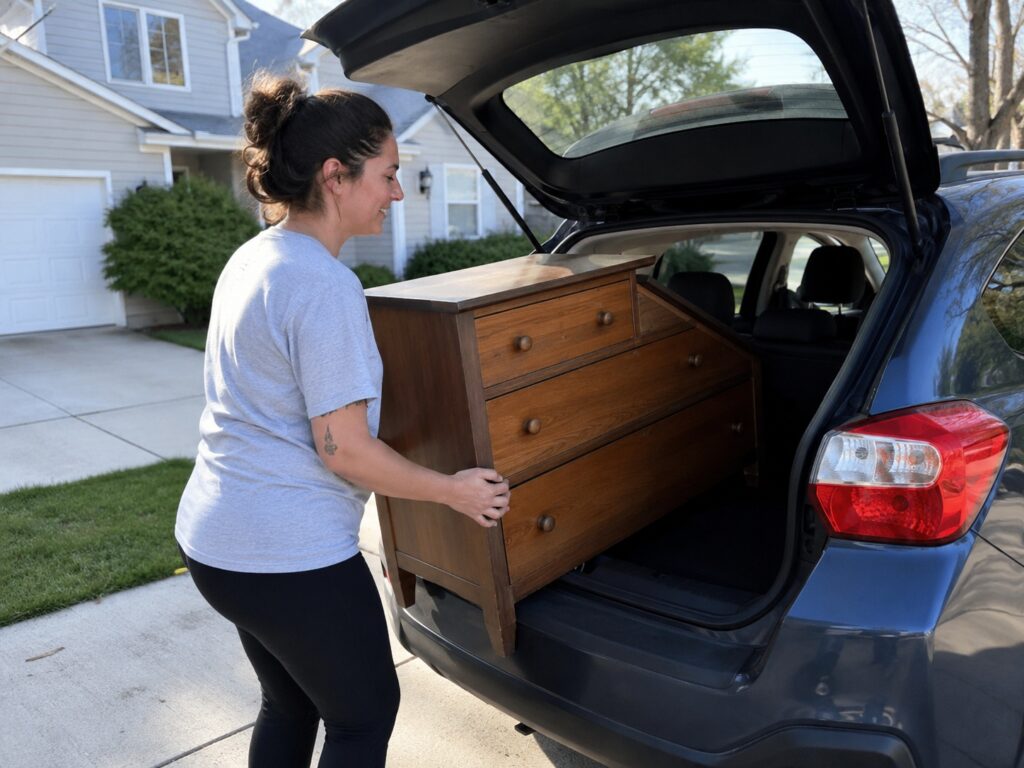
You Need Less to Start—and More Discipline Than It Appears
You do not need a warehouse, a box truck, or a huge purchasing budget to learn reselling. You do need money you can afford to leave tied up, a safe place for inventory, a way to move it, time to photograph and sell it, and the willingness to track what actually happens.
Your first goal is not a dramatic payday. It is completing the entire cycle: evaluate, buy, transport, prepare, list, communicate, sell, and calculate the true result. A modest purchase that teaches the process is more useful than a large speculative lot you cannot move. Our companion guide explains how to make money flipping used items without confusing sale price with actual profit.
Do not measure the first flip only by dollars. Measure whether you understood the item, controlled the risk, completed the sale, and learned what to do differently.
Choose One Category and One Selling Outlet
Start where you already have some recognition advantage. Familiarity helps you notice construction, quality, condition, missing parts, model differences, authenticity risks, and changing demand.
Small household goods
Easy to transport and store. The challenge is making enough per item to justify cleaning, photographs, listings, packing, and messages.
Low logistics · Time intensiveFurniture
Strong local demand for the right pieces, but vehicle, lifting, storage, odor, condition, and slow-moving size all matter.
Local demand · Physical workElectronics and tools
Recognizable models and active markets, along with testing requirements, missing accessories, batteries, returns, and counterfeit risk.
Researchable · Condition riskClothing and collectibles
Small storage footprint and online reach, but expertise, photographs, authentication, shipping, and trend awareness affect the outcome.
Easy storage · Knowledge heavyChoose the outlet at the same time. Local marketplaces favor bulky items and quick pickup. Online marketplaces reach specialized buyers but add fees, packing, shipping, returns, and account rules. Your category should fit how you intend to sell.
Know the Full Cost Before You Buy
Purchase price is only the first line. A profitable-looking item can become a loss after every real input is counted.
Your all-in cost may include the item, referral or auction fees, sales tax, travel, tolls, vehicle rental, helpers, cleaning supplies, parts, repairs, payment fees, platform fees, packing materials, shipping, returns, storage, disposal, and your time.
Estimate a realistic sale price from sold comparables when available—not only optimistic asking prices. Then leave room for negotiation, mistakes, hidden condition issues, and the fact that money tied up in slow inventory cannot purchase a better opportunity.
Expected sale proceeds minus every expected cost must leave enough profit for the work, risk, cash, space, and time the item requires.
Make the First Buy Small Enough to Survive a Mistake
Look for an item you understand, can inspect, can transport without improvising, can store without creating pressure, and can sell through an outlet you already know how to use.
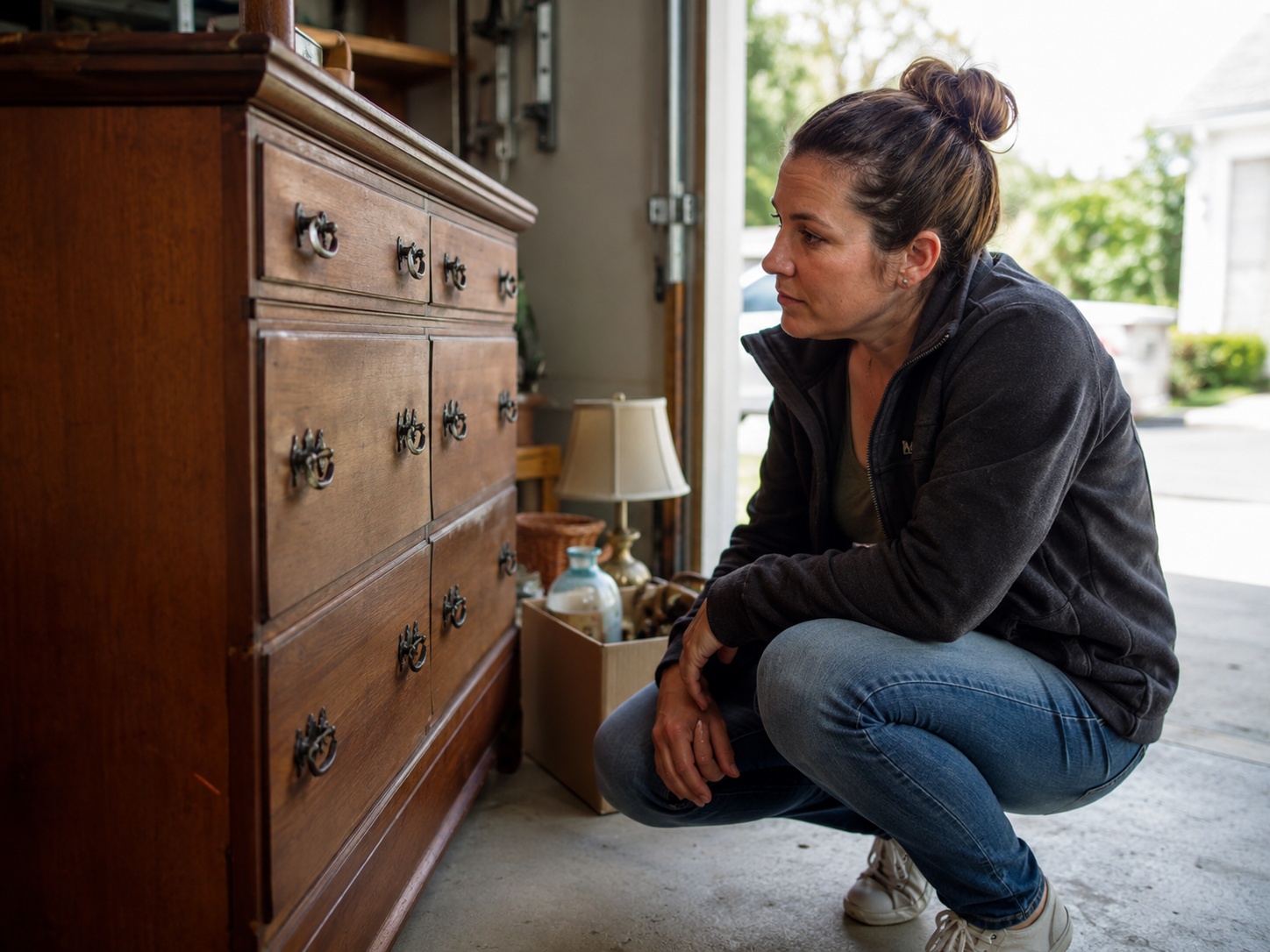
The best first purchase is manageable enough to teach the process without endangering your cash or space.
Before paying, verify what is included, inspect condition, test functions where practical, confirm dimensions, and know how you will load it. Do not let the fear of missing out replace your criteria. There will be another item.
Keep the receipt or purchase record. Photograph the condition at acquisition. Track the date, source, total cost, work completed, listing date, sale date, final proceeds, and any return or disposal cost.
Build a Repeatable Buy-to-Sale Workflow
- Research before committing.Check sold prices, demand, common defects, parts availability, and platform restrictions.
- Set the maximum all-in cost.Work backward from a conservative sale price and your minimum acceptable result.
- Inspect and document.Confirm condition, identity, completeness, dimensions, access, and pickup logistics.
- Prepare without over-improving.Clean, test, and repair only when the added value justifies the cost and time.
- List clearly.Use accurate titles, useful photographs, measurements, condition notes, and pickup or shipping terms.
- Close and record the result.Confirm payment, deliver or release the item safely, and calculate the actual profit and days held.
Also keep orderly business and tax records from the beginning. Registration, licensing, sales-tax, income-tax, consumer-protection, and marketplace-reporting obligations vary by location and business model. Check the current requirements that apply to you or ask a qualified professional.
Find Inventory Without Depending on One Channel
Begin with sources that let you practice: public marketplaces, neighborhood sales, thrift stores, auctions, family referrals, and items you already own. As your criteria sharpen, build relationships and inbound sources so every purchase does not begin with hours of searching. See how experienced buyers combine these channels in our guide to finding local inventory before anyone else.
On WBT, buyers choose item categories and service areas. When a seller submission matches, the alert can include location, descriptions, photos, condition, pickup preferences, and the exact referral fee. Review a sample seller alert to see what is available before a claim. You review the information and pay only when you choose to claim a seller’s contact details.
Add local seller referrals to your sourcing stack.
Joining is free. Select what you buy and where you operate, then claim only the opportunities you want to pursue.
Join the buyer network →Scale Only After the Small System Works
Scale means adding capacity to a proven process—not simply purchasing more. Reinvest a planned share of realized profit, preserve cash for expenses and mistakes, and increase only the constraint that is holding back profitable sales.
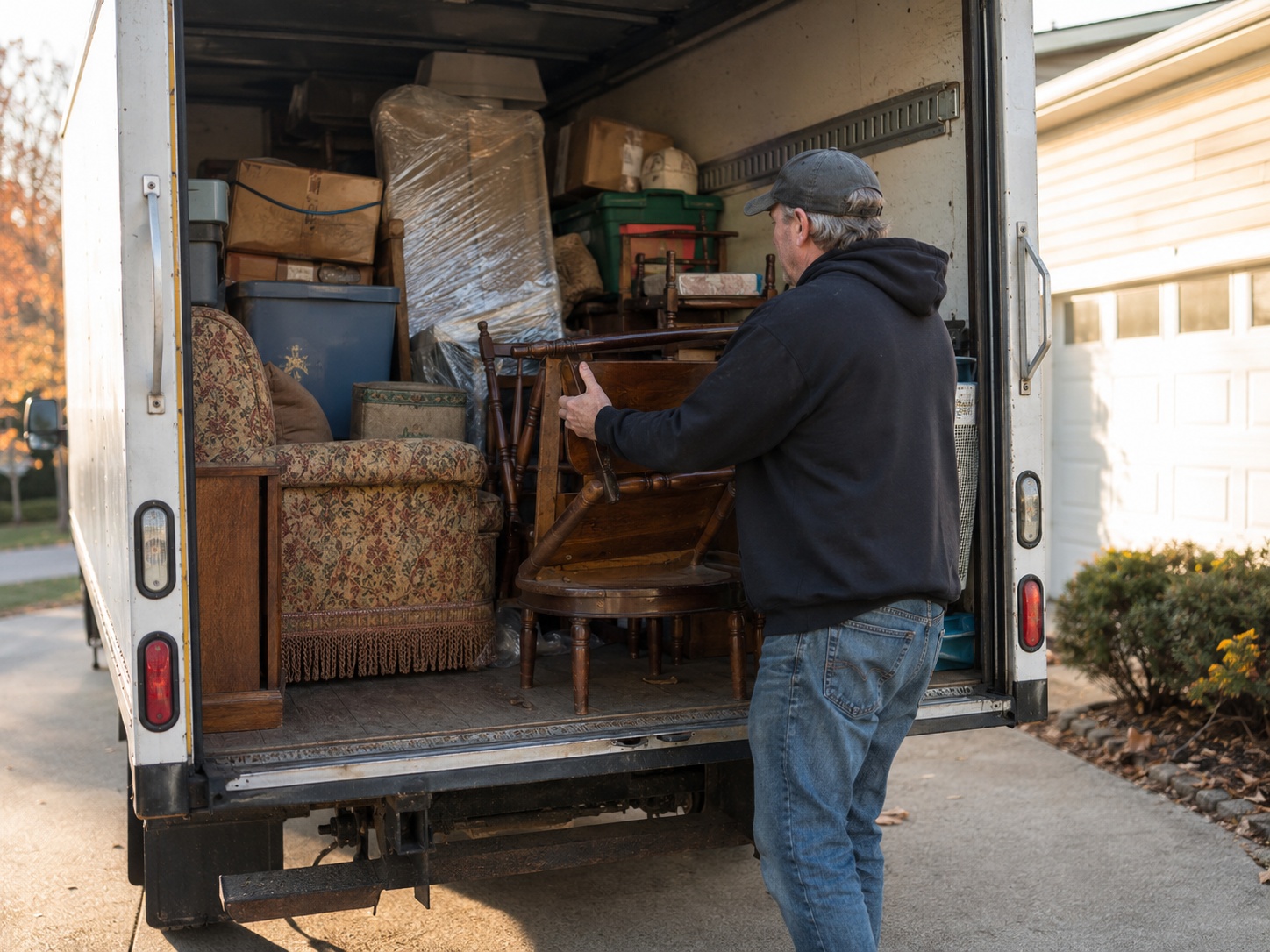
Larger lots require more cash, labor, transport, storage, sorting, and disposal—not only a bigger potential sale total.
Rent equipment before owning it if the numbers support occasional use. Add storage only when inventory turnover can cover the ongoing cost. Hire help when the labor saves more value than it consumes. Expand categories only when you can evaluate them or have a specialist you trust.
Bulk and estate purchases can reduce the average price per item, but they also contain slow, damaged, incomplete, low-value, or unsellable inventory. Model the whole lot, including disposal and the cash required to hold it. Bigger does not automatically mean more profitable.
Common Questions
How much money do I need to start reselling?−
There is no universal amount. Start with money you can afford to have tied up or lose without affecting normal expenses. Choose inventory whose purchase, transport, storage, and selling costs fit that limit.
What should a beginner resell first?+
Choose a category you understand, an item you can inspect and transport, and a selling outlet you know how to use. The right first item is manageable, not necessarily exciting.
How do I know what to pay?+
Estimate conservative sale proceeds, subtract every expected cost and your required profit, then treat the remainder as the maximum all-in acquisition cost.
Do I need a truck or storage unit?+
Not if you begin with inventory that fits your current vehicle and space. Rent transport or storage only when a specific, well-modeled opportunity can support the added cost.
When should I begin buying whole lots?+
After you have repeatable evaluation, transport, storage, listing, sales, recordkeeping, and disposal processes—and enough cash to absorb mistakes without destabilizing the business.
Start with one disciplined purchase.
Build the skill, record the result, and repeat. WBT can send matching local seller opportunities as your buying criteria and capacity grow.
Join the buyer network →